
Our ABA Therapy Services
Services are individualized according to assessment results, individual needs, family goals, professional recommendations, and applicable requirements. No two plans are alike.
In-Home ABA Services
Support provided within the home environment can offer unique advantages. Familiar surroundings, existing routines, and natural learning opportunities allow skills to develop in the context where they will be used most.
- Building skills within natural daily routines
- Leveraging familiar environments for meaningful learning
- Collaborating directly with family members and caregivers
- Supporting individualized goals at home
- Practicing communication and daily living skills in real contexts
In-home services are subject to availability, scheduling, and applicable requirements. Not all individuals may receive in-home services.

School-Based Support
When appropriate and subject to applicable arrangements, support may be coordinated in educational environments. School-based support can help reinforce skills across different settings and promote consistency between home and school.
- Collaboration with educational teams when appropriate
- Support for individualized goals in learning environments
- Communication between therapy and school staff
- Reinforcing skills across multiple settings
- Participation in educational routines when applicable
School-based support is subject to applicable agreements, school policies, scheduling, and authorization requirements.
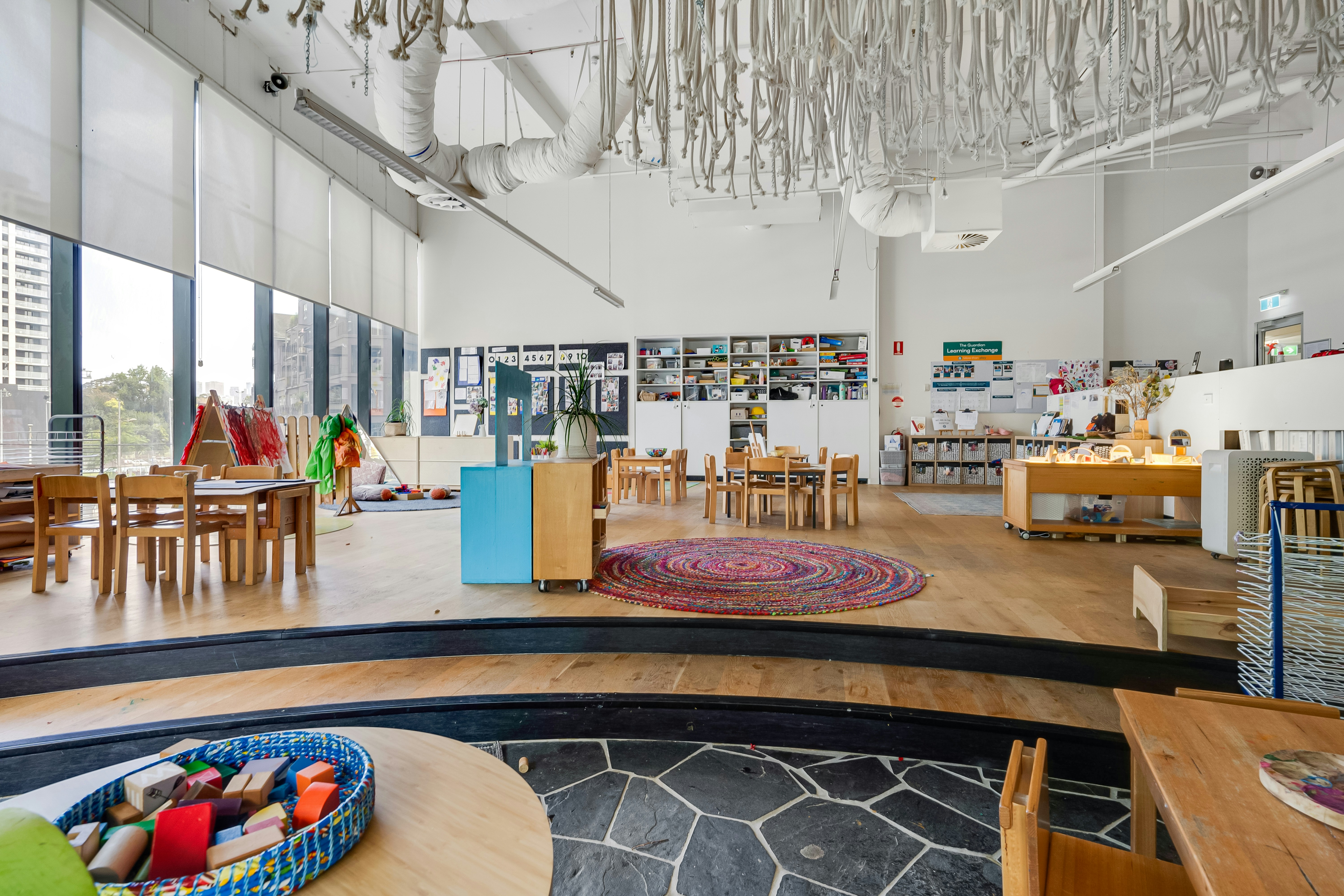
Community-Based Support
Community settings provide meaningful opportunities to practice skills in real-world environments. Support in community spaces can help individuals develop independence, social connections, and participation in everyday community life.
- Social interaction in natural community settings
- Communication skill development in real environments
- Safety skills and community navigation
- Daily routine practice in community contexts
- Building comfort and confidence in varied settings
Community-based services depend on individual needs, professional recommendations, availability, and applicable requirements.

Behavioral Assessments
A thorough assessment can help identify an individual's current strengths, skill areas, behavioral patterns, and meaningful goals. Assessment results may inform the development of individualized support plans.
- Identifying individual strengths and skill areas
- Understanding behavioral patterns and needs
- Gathering family and caregiver input
- Informing individualized goal development
- Providing a foundation for service planning
Assessment processes, tools, and recommendations vary by individual. Assessments do not guarantee enrollment, specific services, or particular outcomes.
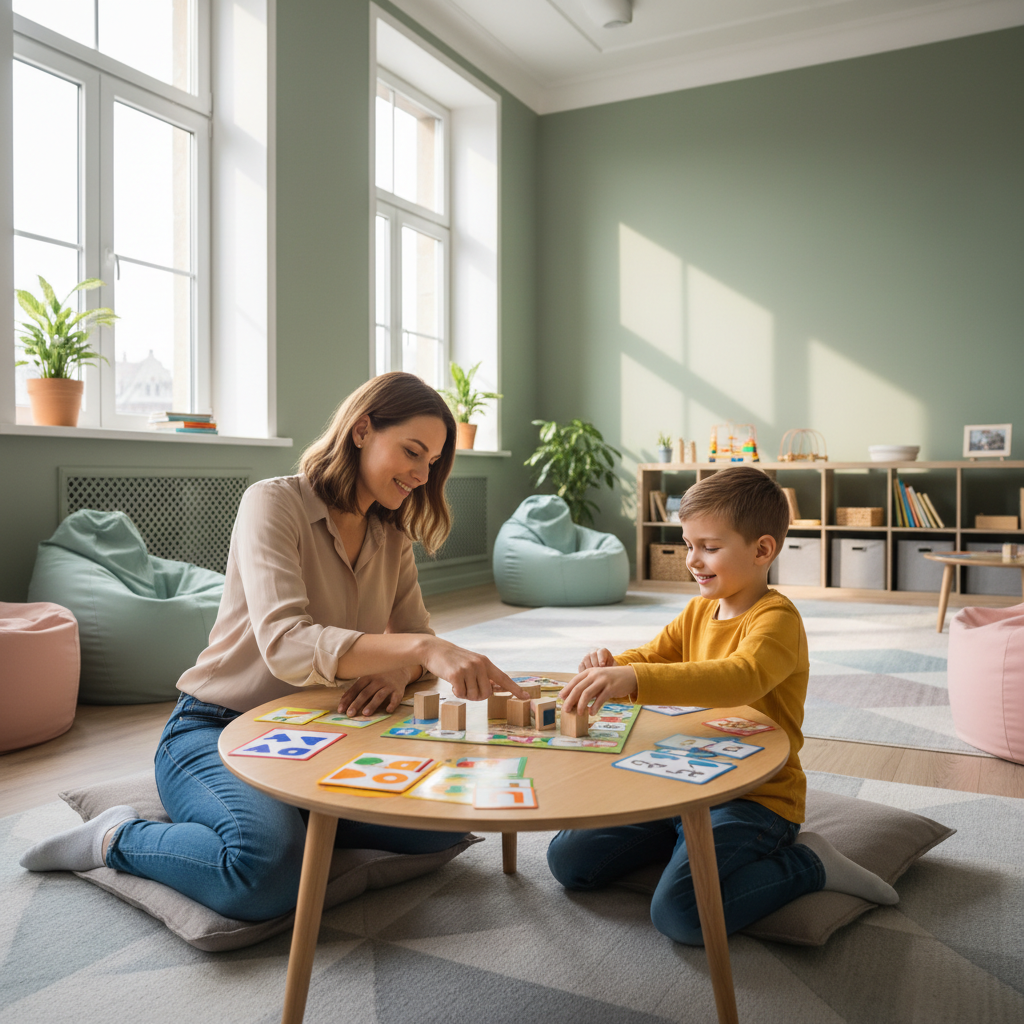
Communication & Social Skill Development
Developing communication and social skills can be central to meaningful participation in everyday life. Support in these areas is individualized and focuses on functional skills that matter in the individual's actual life and relationships.
- Functional communication skill development
- Social interaction support
- Building skills for everyday relationships
- Supporting communication in natural contexts
- Individualized goals based on assessment and priorities
Communication and social skill goals vary widely by individual. Not all goals are appropriate for every person.

Daily Living & Independence Skills
Functional everyday skills — like personal care, meal preparation, organization, and safety — are often central to meaningful independence. Support in this area focuses on practical skills that matter in the individual's daily routines.
- Personal care and hygiene routines
- Functional independence skills
- Safety awareness and skills
- Organization and daily routine support
- Age-appropriate independence goals
Daily living and independence goals are individualized. Specific goals depend on assessment, individual needs, and family priorities.

Parent & Caregiver Collaboration
Parents, guardians, and caregivers hold invaluable knowledge about the individuals they support. Their active participation in the service process can strengthen outcomes and ensure that support connects meaningfully to daily life.
- Involving caregivers in goal-setting discussions
- Sharing strategies for home and daily routines
- Regular communication about progress and plans
- Supporting caregivers in understanding service approaches
- Building a consistent, collaborative support environment
The nature and extent of caregiver involvement may vary based on individual circumstances, preferences, and applicable requirements.

Request More Information
Our team welcomes questions from families and professionals. Reach out to learn more about our services and whether they may be a fit for your needs.
Contact Our Team